|
|
|
Counting every vote |
Inclusive election experts Yohannes Takele and Isaac Muhumuza on the need to include people with disabilities in the democratic process.
|
|
|
Hello !
Welcome to the Light for the World international newsletter.
Today, meet Dr Yohannes Takele and Isaac Muhumuza — inclusion experts working to ensure people with disabilities have equal access to vote in elections.
If you’re receiving this newsletter for the first time, you can catch up with our previous issues, celebrating award-winning Deaf actress Doreck Ankunda and blind football pioneer Simon Madol.
Every three months, we’ll bring you stories of people like Yohannes, Isaac, Doreck and Simon, sparking lasting change in disability rights and eye health — plus our latest news and expert inclusion tips.
|
|
 |
|
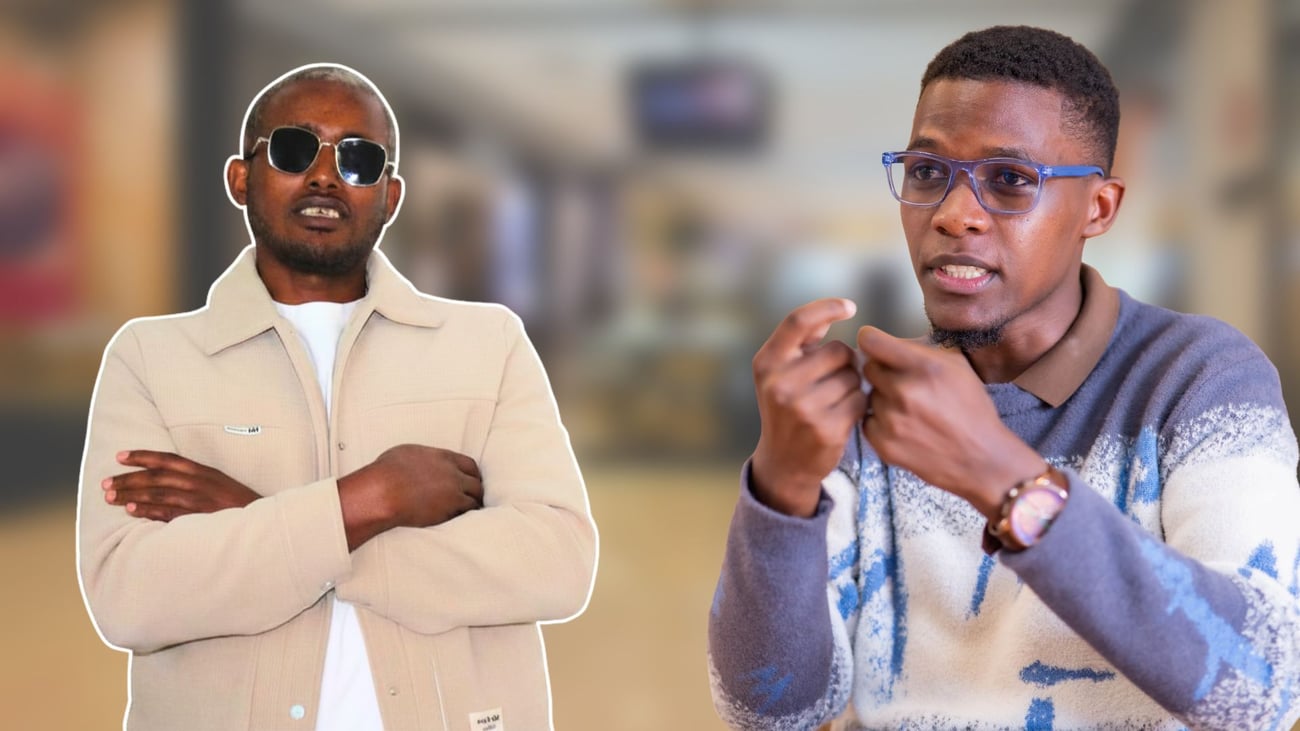
Changemakers: Dr Yohannes Takele and Isaac Muhumuza |
Yohannes has dedicated his career to a simple idea: people with disabilities deserve an equal voice in political life.
With a PhD in inclusive representation and publications in leading law journals, Yohannes is an expert in inclusive democracy and elections and a Disability Inclusion Advisor at Light for the World Ethiopia.
As Africa's second most populous country prepares to go to the polls in June, Yohannes is advising Ethiopia's National Election Board on making the seventh national election its most inclusive yet.
Isaac is a disability rights advocate who believes democracy only works when everyone has a seat at the table.
An Intern at Light for the World Uganda, Isaac served as an electoral observer during Uganda’s general election in January 2026. He saw firsthand the barriers people with disabilities face to vote and the progress being made towards truly inclusive elections.
A storyteller and former UN Youth Delegate, Isaac can be found on Substack at Deafblind & Thriving.
|
|
|
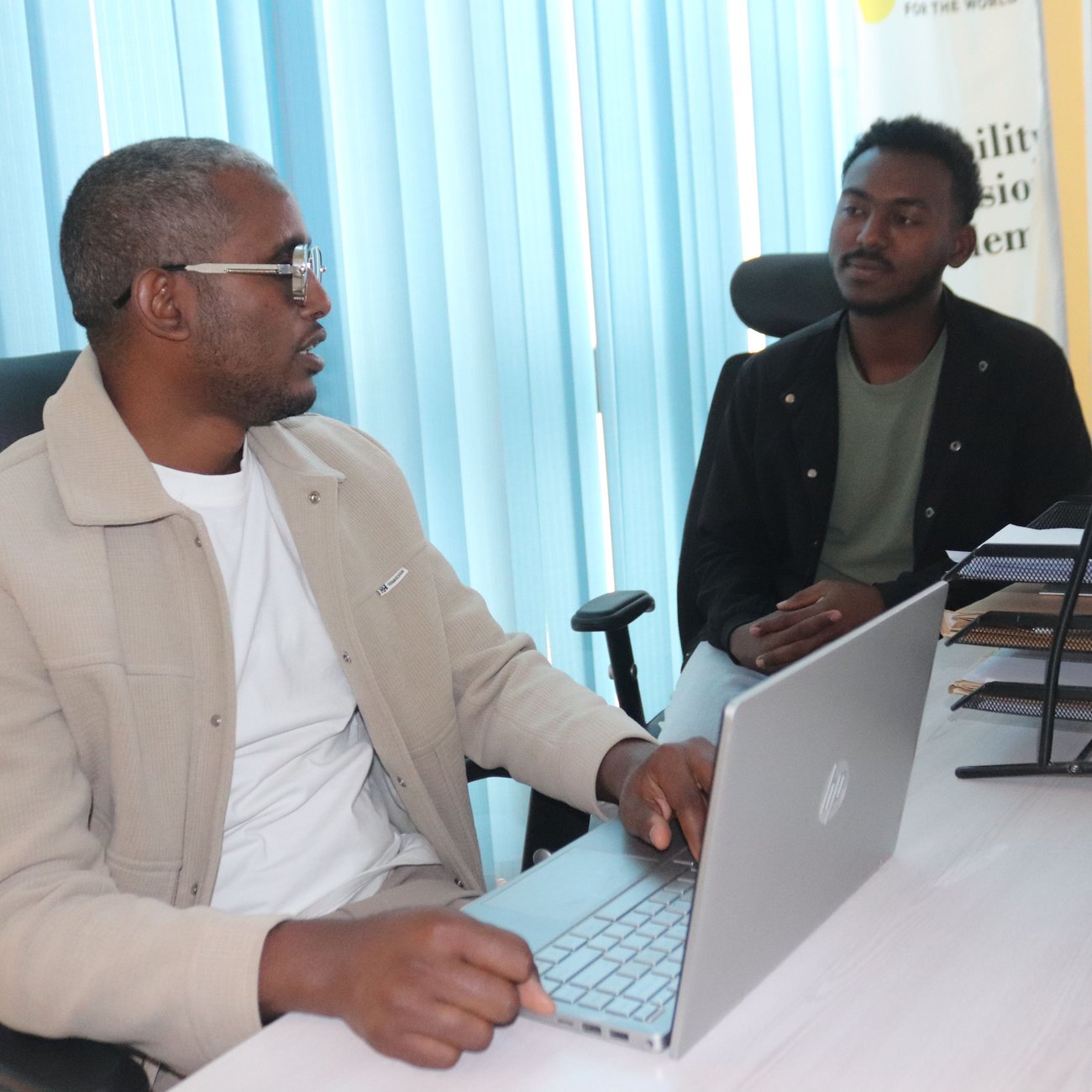 |
Yohannes advocates on making elections more inclusive.
|
|
|
Why is it important that people with disabilities are fully included in the democratic process — not just as voters, but as candidates and representatives? |
Yohannes:
Every group has its own rights and interests. Unless persons with disabilities are represented in parliament, in the executive and in political parties, their group rights cannot be obtained, maintained, protected or promoted.
Take Ethiopia as an example. We have so many policies and laws ratified by parliament, but they are not inclusive of persons with disabilities. Had persons with disabilities been represented, those laws would have been enacted inclusively. But because the parliament has only three persons with disabilities — representing their political parties, not people with disabilities — government does not have anyone to advise on how to enact inclusive policies and laws.
Isaac:
It is through voting and democratic participation that persons with disabilities exercise their power and have a say in decisions that affect their lives. Without their participation, their voices are left out and democracy becomes less representative and less fair.
When persons with disabilities stand for election, they break barriers and misconceptions that still exist in many communities — it is still widely assumed that persons with disabilities cannot be effective leaders. When a person with a disability stands for election, they challenge these stereotypes directly and prove that leadership has nothing to do with disability.
|
|
|
What are the main barriers people with disabilities face when trying to participate, either as voters or as candidates? |
Yohannes:
The first is attitudinal because some in society do not believe that persons with disabilities have the capacity to run for office and serve. But this can also be internal: sometimes persons with disabilities do not believe it themselves.
Then there are policy barriers. Whenever a person with a disability tries to run for office, they need money for campaigning, for making their policies accessible, for using the media, yet policy rarely provides financial support or affirmative action. Political parties also rarely publish their programmes in accessible formats.
And party offices, campaign events and polling stations are frequently not physically accessible.
|
|
|
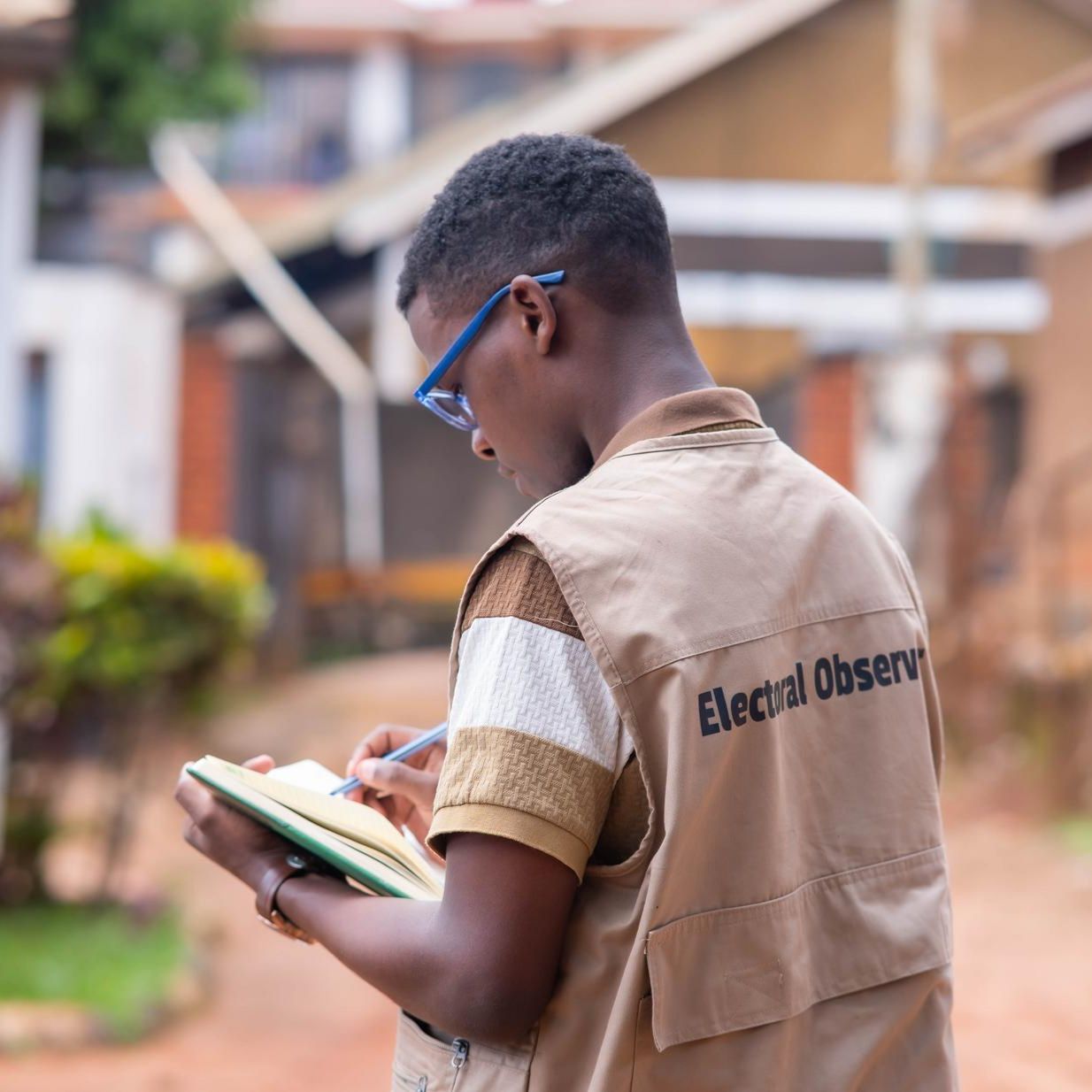 |
Isaac was an Electoral Observer in the January elections in Uganda.
|
|
|
Isaac, what barriers did you observe for persons with disabilities during the January election in Uganda? |
Many polling stations were inaccessible for wheelchair users. I observed one wheelchair user whose wheelchair had to be literally lifted around to enable him to vote because the polling station was riddled with large stones and rising terrain.
Sign language interpreters were completely absent from polling stations, which made communication between polling officials and voters with hearing impairment near impossible.
Some voters with hearing impairment did not follow instructions on the correct way to vote, which resulted in their votes being invalidated.
|
|
|
Yohannes, can you give us a sense of what voting has been like for people with disabilities in Ethiopia? |
The impact differs from one disability to another. For voters who are blind, the barrier is less severe as they can bring a personal assistant, or the election officer is required to help them.
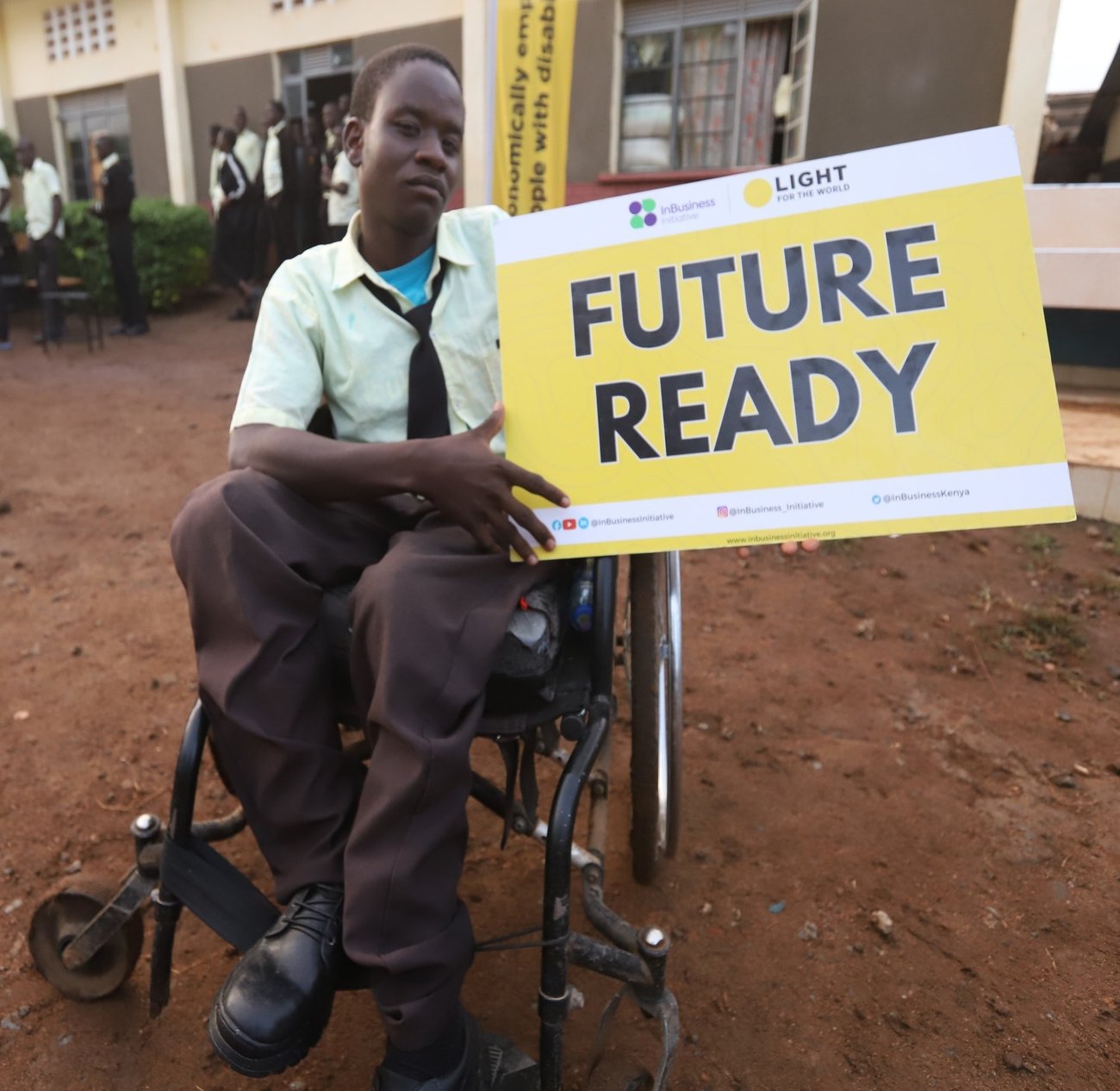
But for wheelchair users, the experience is really difficult. Ethiopia does not use alternative voting arrangements, so if a polling station is inaccessible, they simply cannot vote.
For persons with intellectual or psychosocial disabilities, the law totally bans them from voting. For Deaf voters, the main barrier has been the absence of sign language interpreters during registration and voting.
|
|
|
|
|
Access to elections
|
People with disabilities are much less likely to vote than other citizens.
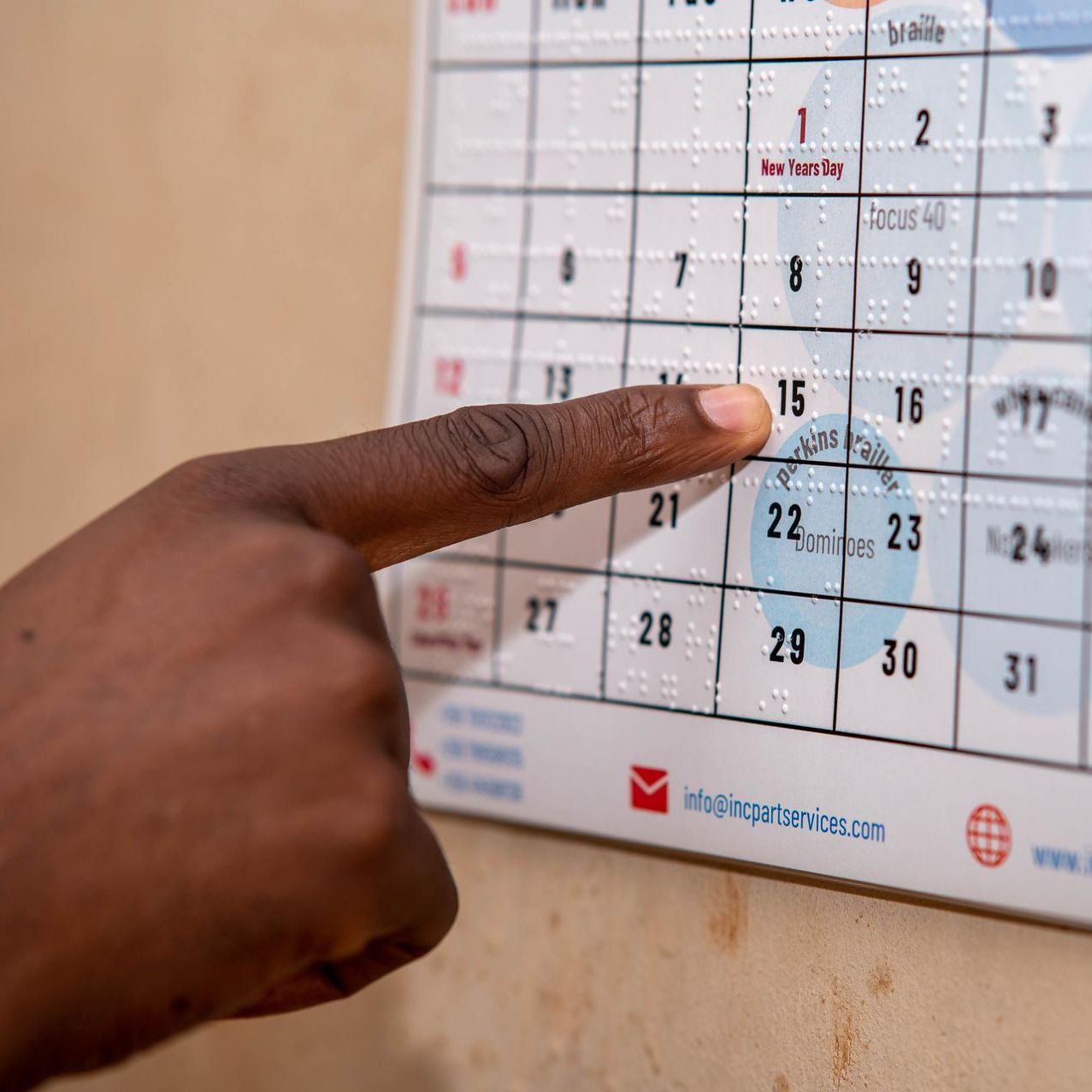
Common barriers: inaccessible polling stations, no information in sign language or braille, and social exclusion.
These barriers are especially pronounced across many African countries.
The UN Convention on the Rights of Persons with Disabilities (UNCRPD) guarantees the right to vote and to stand as a candidate.
|
|
|
|
|
How did you both become interested in inclusive democracy and accessible voting? |
Isaac:
I became interested in inclusive democracy in 2021 when I cast my first vote in Uganda's national elections. I took on a more active role during the recently concluded national election in January 2026 as an electoral observer under Show Abilities Uganda.
I wanted to exercise my right to participate in electoral processes as provided by the UN Convention on the Rights of Persons with Disabilities and the Constitution of Uganda. As an observer, I wanted to actively advocate for accessible voting by highlighting the barriers persons with disabilities face and recommending realistic solutions.
Yohannes:
My entry point was a project on inclusive elections at the Ethiopian Center for Disability and Development. That project was, I can say, a milestone for inclusive politics in Ethiopia. It was the first time political parties were brought together to debate disability-inclusive policy and the first time I was truly interested in inclusive elections.
That experience led me to complete a PhD at Syracuse University in New York, where my dissertation developed a model I call "approval representation" — refining existing approaches to ensure persons with disabilities are genuinely represented, not just symbolically.
|
|
|
Yohannes, you have been advising Ethiopia's National Election Board ahead of the upcoming election on 1 June. What progress has been made? |
Real progress. The electoral proclamation has been amended to incorporate technology-based alternative voting arrangements for the first time. The Board now subtitles and sign language captions its videos and ensures training venues are physically accessible.
Financial incentives for parties that field more candidates with disabilities have already produced results — many parties have put forward significantly more candidates.
The law has also reduced the signature requirement for women with disabilities standing as independent candidates from 5,000 to 2,000, and from 2,000 to 1,000 for candidates standing for a political party.
The seventh national election will show us more inclusion, more candidates with disabilities and more voters with disabilities as well.
|
|
|
 Learn more about inclusive elections Learn more about inclusive elections
|
|
|
Isaac, what positive examples did you observe in the Uganda election, and what would you recommend to make future elections more inclusive? |
I observed that efforts are being made to include persons with disabilities in recruitment as electoral officials. I encountered polling assistants with disabilities, which was encouraging.
However, accessibility is still being treated as relevant only when persons with disabilities are the subject of the election, rather than as a standard that should apply across all elections without exception.
My recommendation is to involve persons with disabilities from the earliest planning stages. Electoral bodies must actively consult with Organisations of Persons with Disabilities, because no one understands the barriers faced better than persons with disabilities themselves. The principle of "nothing about us without us" must be taken seriously in electoral planning.
Follow Yohannes and Isaac on LinkedIn.
|
|
|
|
|
Inclusion Tip |
|
Ensure that official and public buildings are barrier-free, with wheelchair ramps and adequate seating for people with physical disabilities.
|
|
| More on inclusion
|
|
|
|
|
Young people join RISE employment programme in Kenya |
More than 100 young people in Kenya are set to develop skills and build clear pathways to employment.
|
| Read now
|
|
|
Accessible learning for all: first inclusive education hub opens |
Designed to give students with disabilities in South Sudan equal access to quality education.
|
| Learn more
|
|
|
From lockdown to Los Angeles: the rise and rise of South Sudan’s blind footballers
|
The Telegraph published a feature on the South Sudan blind football team.
|
| Find out more
|
|
|
|
|
Help broaden the conversation on inclusive voting, lasting change and disability rights — share these tips on making elections more accessible with your friends and colleagues.
|
|
|
Enjoyed this
newsletter?
Subscribe now to get it straight to your inbox!
|
|
|
In our next issue, we’ll introduce another changemaker and their powerful story. You won’t want to miss it!
Follow us on social media to keep up with the latest stories, news, and inclusion tips between issues.
|
| \n\n\n\n
|
|
|
|
|